
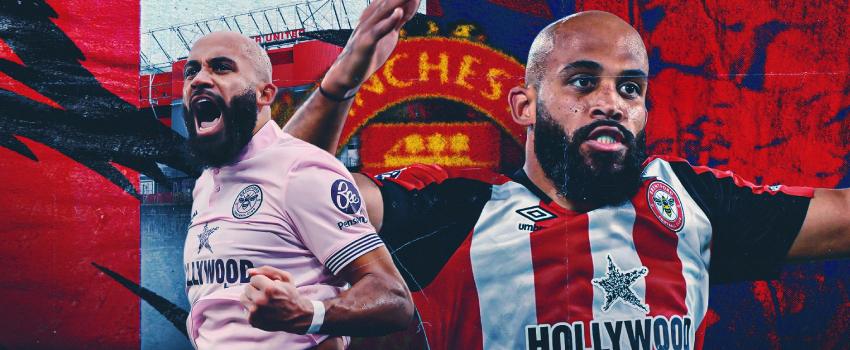
You’re a Manchester United fan. Or, you know, just someone who follows football. Either way, you’ve probably seen the headlines. The whispers. The sheer frustration. After years of hoping, years of protests against the Glazers, a new era was supposed to begin. Sir Jim Ratcliffe and INEOS stepped in. A hefty £1.5 billion investment. A new dawn, right? More money, fresh ideas, a path back to glory. That’s what we were told. That’s what we hoped for.
But here we are. And honestly? It feels like the same old story. Especially when you hear whispers of a £71 million move for someone like Bryan Mbeumo. £71m for Bryan Mbeumo?! Man Utd’s Worst Negotiation Yet? Seriously? It makes you wonder. It makes you sigh. The team still struggles. The debt still looms. And the fans? Well, the protests haven’t really stopped, have they? Just shifted focus, a bit. So, what on earth is going on? Why does Manchester United’s £1.5 billion takeover feel less like a rescue and more like… a continuation of the same old problems? Let’s just unpack this mess.


£71m for Bryan Mbeumo?! Man Utd’s Worst Negotiation Yet?
Let’s just get this out there: £71 million for Bryan Mbeumo. You’ve got to be kidding. Mbeumo is a good player, absolutely. Versatile, works hard, gets goals for Brentford. But £71 million? That kind of money puts him with genuine world-beaters. Players who consistently perform at elite levels in the Champions League. Mbeumo isn’t quite there. Not yet, anyway.
This potential deal, if it happened, would feel like a new low. Or, perhaps, just another stark reminder of a long-standing problem. It screams “panic buy.” It screams “overpayment.” And it screams “Manchester United are being taken for a ride, again.” This isn’t about Mbeumo’s quality, to be fair. It’s about the valuation. It’s about the club’s consistent inability to negotiate smart deals. And it’s almost like other clubs see “Manchester United” on the caller ID and immediately add 20-30% to the price tag. That’s the “Manchester United tax,” isn’t it? And it’s costing them dearly.
Man Utd’s Transfer Negotiations: A Masterclass in How Not to Do Business
For years, Manchester United’s approach to transfers has been, well, a bit of a masterclass in how not to do business. It’s like they announce their targets publicly, then wait for the selling club to name their price. And then they pay it. Usually after a long, drawn-out saga.
Think about it: how many times have we seen them chase a player for weeks, even months? Only for the price to keep climbing? It signals desperation. It signals a lack of alternative plans. Any selling club with half a brain knows they’ve got United over a barrel. They’ll squeeze every last penny. This isn’t shrewd business. It’s a fundamental weakness in their Ineos transfer strategy, or at least, the strategy that’s been in place for a long, long time.
Contrast this with, say, a club like Brighton. They buy low, develop, and sell high. Or even Liverpool or City, who often move quietly, securing targets before the media circus begins. United? It’s often a public spectacle. And that public spectacle? It costs them money. A lot of money. It’s a recurring theme, and it’s damaging.
Overpriced, Overpaid, Overhyped: Man Utd’s History of Bad Deals
The potential Mbeumo deal isn’t an isolated incident. Oh no. It fits a pattern. A long, frustrating history of Man Utd poor transfer deals. Players arrive for huge sums, often on massive wages, only to underperform. It’s a cycle of overspending and under-delivering.
It’s like they believe throwing money at a problem will fix it. But football isn’t that simple. You need a clear plan. A cohesive squad. And players who fit the system, not just big names. This constant cycle of panic buying, of paying top dollar for players who aren’t truly elite, has left the squad unbalanced. Bloated in some areas, weak in others. It’s money down the drain, frankly. And it’s why the team struggles to compete consistently at the very top. What were they thinking, sometimes? It’s a question fans ask constantly.
10 Times Manchester United Proved They’re the Worst Negotiators in Football
Look, it’s easy to point fingers, I know. But the evidence? It’s pretty glaring. For many, Manchester United’s negotiation team has, for too long, just been… well, a bit of a disaster. Here are some examples that really stick out:
- Harry Maguire (£80m): That world-record fee for a defender. Remember how public and drawn-out that chase was? Leicester knew United were desperate. They just held out. And United paid. Maguire’s had his moments, sure, but £80 million for a player who often struggles for consistent form? That’s a massive overpayment, plain and simple.
- Antony (£85m): This one still kind of stings, doesn’t it? An astronomical fee for a player who, while talented, was clearly overpriced. His actual output hasn’t really justified that cost. The whole negotiation felt rushed, desperate. It just screamed “panic buy” after they couldn’t get other targets.
- Jadon Sancho (£73m): Oh, the Sancho saga. That thing dragged on for years. United publicly chased him, giving Borussia Dortmund all the leverage in the world. They finally got him, but the long wait, the inflated fee, and his struggles at the club? Classic example of a poorly executed deal. Just a mess.
- Paul Pogba (return, £89m): Bringing Pogba back was supposed to be a huge statement. A massive fee, massive wages. But his second spell was just so inconsistent, plagued by injuries. And then, ultimately, he left for free again. A colossal waste of resources, honestly. A negotiation that just failed to secure any long-term value.
- Romelu Lukaku (£75m): Signed for a huge fee, and yeah, he scored goals. But he never quite seemed to fit the system. And then he was sold for way less than they bought him for. A clear financial loss. A sign of pretty poor long-term planning, if you ask me.
- Alexis Sanchez (Swap deal, huge wages): No transfer fee here, but the wages handed to Sanchez? Truly astronomical. He delivered almost nothing in return. It completely messed up the wage structure and was just a total disaster. A desperate gamble that failed spectacularly.
- Angel Di Maria (£59.7m): A big-name signing, for sure. But he just never settled. Left after only one season. Another huge fee, huge wages, and zero return on investment. It really showed they didn’t understand the player’s fit or motivation.
- Fred (£52m): Signed from Shakhtar Donetsk for a significant sum. Fred often struggled to adapt to the Premier League’s pace and physicality. While he showed glimpses of improvement, £52 million for a defensive midfielder who got a lot of stick from fans and pundits? Feels like a clear overpayment.
- Donny van de Beek (£35m): Arrived with high hopes, but barely played. Loan spells followed. A pretty big investment for a player who simply didn’t fit the manager’s plans. It really highlights a disconnect between who they buy and what the coaches actually need.
- Memphis Depay (£25m): Another high-profile signing with huge potential. He just struggled to make an impact and was sold cheaply to Lyon. It represented a failure to develop talent and, crucially, to get their money back.
These aren’t just isolated incidents, you know. They paint a pretty clear picture of a club that often negotiates from a weak spot. Driven by desperation. And, honestly, just lacking a truly coherent, long-term transfer strategy.
FAQs
1. Is Bryan Mbeumo worth £71m?
Honestly? No. Bryan Mbeumo is a good, versatile player. But £71 million is a price for elite, consistent goalscorers. Paying that much for him would be a significant overpayment, reflecting Man Utd’s negotiation struggles.
2. How Man Utd’s panic signings are damaging the club?
Panic signings lead to overpaying and inflated wages, messing up the squad’s pay structure. Expensive underperformers block academy talent and create a negative culture. Financially, it’s a drain: huge fees for little return mean less for stadium upgrades or debt reduction. This hurts team cohesion, on-field performance, and long-term financial health.
3. Top Poor Transfers by Manchester United?
Notable poor transfers, considering cost vs. performance:
- Harry Maguire (£80m): Record fee, inconsistent.
- Antony (£85m): Inflated fee, minimal impact.
- Jadon Sancho (£73m): High cost, struggled to adapt.
- Paul Pogba (return, £89m): Big fee/wages, inconsistent, left for free.
- Alexis Sanchez (high wages): Disastrous period, no return.
Also Read: Why Manchester United’s £1.5 Billion Takeover is Failing: Debt, Poor Performance & Fan Backlash
Conclusion: The Long Road Ahead for Manchester United
So, there you have it. The story of Manchester United’s negotiation mistakes is long. It’s frustrating. And, sadly, it’s still happening. It’s not just about one bad deal, but a systemic issue, really. The hypothetical £71m Mbeumo signing? It just fits the pattern. It screams of a club still negotiating from a weak spot.
The initial optimism around the Ineos transfer strategy was huge. Fans genuinely hoped for a complete overhaul. A smarter, more disciplined approach. Sir Jim Ratcliffe faces an enormous task. He needs to not only deal with the financial limits but also fundamentally change how the club operates in the transfer market. It means being shrewd. Being patient. And, crucially, not being publicly desperate.
The fans, who have endured so much, keep speaking out. Their protests aren’t just noise. It’s a demand for real change. For the club to return to its winning ways. To its core values. Only time will tell if the new ownership can truly turn the tide. But for now, the journey back to the top feels longer. More uncertain. Than many had hoped. It’s a test of endurance. For both the club. And its loyal supporters.