
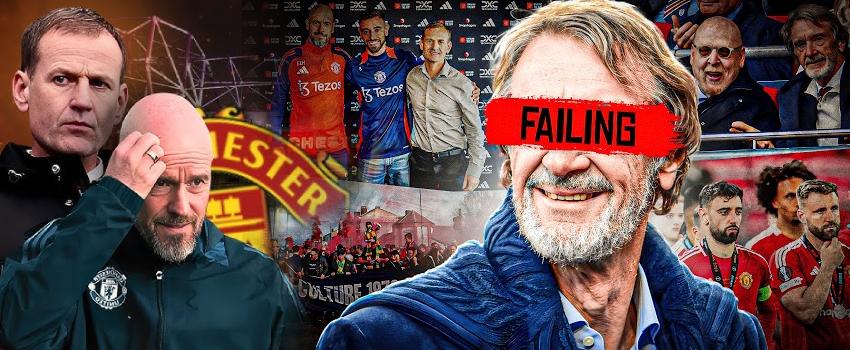
You’re a Manchester United fan. Or maybe you just follow football. Either way, you’ve probably seen the headlines. The whispers. The frustration. After years of hoping, years of protests against the Glazers, a new era was supposed to begin. Sir Jim Ratcliffe and INEOS stepped in, bringing a hefty £1.5 billion investment. A new dawn, right? More money, fresh ideas, a path back to glory. That’s what we were told. That’s what we hoped for.
But here we are. And honestly? It feels like it’s failing. Big time. I mean, I remember the buzz, the cautious optimism. Now? It’s more like a collective sigh. The team still struggles. The debt still looms. And the fans? Well, the Manchester United fans protest hasn’t really stopped, has it? It’s just shifted focus, a bit. So, what on earth is going on? Why does Manchester United’s £1.5 billion takeover feel less like a rescue and more like… a continuation of the same old problems? Let’s just unpack this mess.


Debt Burden & Financial Problems: The Elephant in the Room
Let’s start with the money. Because, let’s be real, that’s often where the actual story lives. For years, the big issue for many fans has been the Glazers Manchester United ownership. Their leveraged buyout back in 2005? It loaded the club with debt. And despite this recent investment, that Manchester United debt still feels like a massive, suffocating weight.
Think about it: Sir Jim Ratcliffe’s INEOS group bought a 27.7% stake. That was £1.5 billion. Sounds huge, right? But here’s the kicker – that money didn’t mostly go into the club. Not for transfers. Not for debt reduction. A big chunk went straight to the Glazers themselves. They sold off some of their shares. So, yeah, new money did arrive. But the club’s overall financial setup, especially its debt, hasn’t really changed as much as everyone crossed their fingers for.
The club still carries hundreds of millions in debt. And that debt? It means interest payments. Every single year. A chunk of Manchester United’s huge revenue – money that, frankly, should be going into building a better squad, upgrading the stadium, or helping young players – gets swallowed up. It’s just to service that debt. It’s like trying to fill a bucket with a hole in the bottom, you know? You pour money in, but a big part just leaks away. This constant drain on funds is a huge piece of the Man Utd financial problems. It puts a ceiling on what the club can truly do. How much it can spend. How fast it can adapt. It’s a core weakness. And this latest investment hasn’t magically fixed it. Not at all.
Poor On-Field Performance: The Unacceptable Reality
All the talk about new leadership and investment? Despite that, the clearest sign of Manchester United takeover failure is, sadly, what happens on the pitch. The team’s performance? Consistently underwhelming. This isn’t just about losing a few games, either. It’s about a missing identity. Inconsistent results. A frustrating inability to actually compete at the very top.
We’ve seen managers come and go. A revolving door, really. Each new boss arrives with a lot of hype. Promises of a fresh philosophy. Only to then struggle with the same basic issues. Players seem to underperform. There’s a noticeable lack of cohesion. You watch them, and you just scratch your head. Seriously, where’s the fight? Where’s the passion? It’s not just about individual talent. It’s a collective failure. To consistently perform.
This isn’t a new problem. But the hope was that the Ineos takeover Man Utd would bring quick, decisive change. Instead, the struggles just keep happening. Fans are left wondering if the issues run deeper. Past just the manager. Or a few players. Is it the culture? The recruitment? The pressure? Whatever it is, the results aren’t there. And for a club like Manchester United, that’s simply unacceptable. It’s a harsh reminder. Money alone doesn’t buy success. Never has.
Transfer Struggles: Money Spent, Little Return
A big symptom of the on-field problems, and a major sign of Manchester United takeover failure, is the club’s awful record in the transfer market. For years, Manchester United has thrown astronomical sums at players. Often paying inflated fees. Offering huge wages. Yet, the return on that investment? Consistently poor.
Think about it: how many players signed for big money simply haven’t delivered? Too many to count. This isn’t just bad luck. It points to a fundamental lack of clear recruitment strategy. Who’s actually finding these players? Are they a good fit for the team’s style? Are they truly worth the price tag? It feels like they’re just throwing darts, hoping something sticks. Not a cohesive plan at all.
The new ownership, with Sir Jim Ratcliffe now overseeing football operations, promised a more analytical, data-driven approach. A “best-in-class” structure, they said. But the immediate impact hasn’t been revolutionary. The club still seems to struggle. To attract top-tier talent consistently. Or, maybe more accurately, to actually integrate them effectively once they arrive. This ongoing inefficiency in buying players means money gets spent. But the squad? It’s not getting better as it should. It’s a drain on resources. One that directly impacts the team’s ability to compete. This is a huge factor in the perception of Manchester United takeover failure.
Cost-Cutting, Cutbacks & Fan Backlash: A Growing Frustration
Despite the massive investment. And the club’s huge revenue. There have been worrying signs. Of cost-cutting. And cutbacks. This, predictably, has fueled the Manchester United fans protest. It feels like a betrayal to some. You know?
Reports of reduced spending in certain areas. Or a more cautious approach to infrastructure investment. These things can leave fans feeling short-changed. After all the talk of a new era, aren’t things supposed to get better? Concerns about the stadium. Training facilities. Even the overall fan experience. These can quickly turn into resentment.
The fans have been incredibly vocal about their dissatisfaction with the ownership for years. The initial hope with the Ineos takeover Man Utd was that it would finally quiet those protests. Instead, if cost-cutting measures become more visible, or if the on-field struggles persist, that backlash will only get louder. It’s a delicate balance: managing finances. While still delivering the improvements fans expect. And right now, many feel that balance is off. This continued tension with the fanbase? A clear indicator of the perceived Manchester United takeover failure.
FAQs
1. What happened to the £1.5 billion Manchester United investment?
The £1.5 billion investment from Sir Jim Ratcliffe’s INEOS group mainly went towards a minority stake (27.7%) in Manchester United. A big chunk of this money actually went to the Glazer family, buying out some of their shares. So, it wasn’t primarily injected directly into the club for debt reduction or immediate transfer funds. While some operational control and infrastructure investment are part of the deal, the initial cash infusion didn’t magically fix the club’s existing debt or fund a huge buying spree.
2. Is Manchester United in financial trouble?
Manchester United makes a ton of money, yes. But the club does face significant financial challenges. The old debt from the Glazers’ leveraged buyout means a lot of revenue gets used for interest payments. This limits funds for other areas. So, while the club isn’t about to go bankrupt, its financial structure is burdened. This impacts its ability to spend freely and compete with rivals who don’t have as much debt. That’s a big part of the ongoing Man Utd financial problems.
3. Will Manchester United recover under Jim Ratcliffe?
Whether Manchester United will recover under Sir Jim Ratcliffe is the big question. He now controls football operations. He’s promised a more strategic, long-term approach to recruitment and management. But here’s the thing: the existing debt, the huge need for stadium investment, and the deep-seated issues within the club’s footballing structure are massive hurdles. Recovery will need sustained, smart investment. A clear footballing philosophy. And a lot of patience. It’s a long road. Success is far from guaranteed. The early signs point to a complex journey, not some quick fix.
Also Read: Football Gossip: Summer Transfer Window 2025 Updates
Conclusion: The Long Road Ahead for Manchester United
So, there you have it. The story of Manchester United’s £1.5 billion takeover failure is complex. It’s not just about money, though the Manchester United debt and ongoing Man Utd financial problems are undeniably central. It’s about a missing clear vision on the pitch. A frustrating cycle of bad transfer decisions. And a growing disconnect with a passionate fanbase.
The initial optimism around the Ineos takeover Man Utd has, for many, given way to a sobering reality. This isn’t a quick fix. It’s a deep-seated problem. One that needs a fundamental overhaul. Sir Jim Ratcliffe faces a huge task. He needs to not only deal with the financial limits but also rebuild the footballing structure from the ground up.
The fans, who have endured so much, keep speaking out. Their Manchester United fans protest isn’t just noise. It’s a demand for real change. For the club to return to its winning ways. To its core values. Only time will tell if the new ownership can truly turn the tide. But for now, the journey back to the top feels longer. More uncertain. Than many had hoped. It’s a test of endurance. For both the club. And its loyal supporters.
Follow heyvip.live for real-time football scores, breaking news, and transfer news and rumors!